
How Casino Spending Alert Notification Shapes Mobile Play
- Posted by sharris
- On August 20, 2026
- 0 Comments
Brisbane punters know the drill. You tap open a session on the bus, lose track of time, and wonder where the afternoon went. A casino spending alert notification can cut that noise before the balance empties. I have spent more than a decade watching iGaming lotteries run on thin margins, and the same discipline applies here. Mobile usability matters because most of the action now happens on a phone, not a desktop.
Tracking the Balance Without the Headache
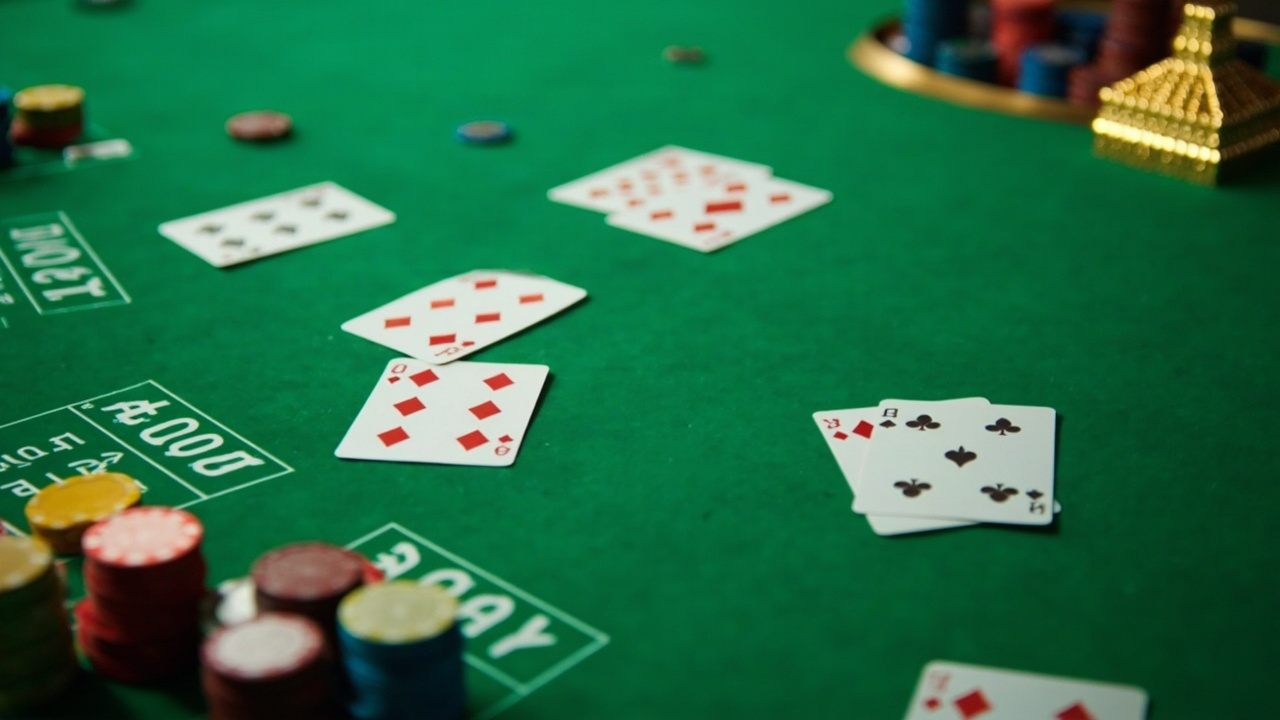
The core idea is simple. You set a limit inside the app or browser, and the platform pings you when you cross it. That casino spending alert notification should arrive fast, not after the session has already closed. In my experience with domain traffic and affiliate growth, delayed signals kill trust straight away. If the alert lands ten minutes late, the money is already gone.
I asked Adam Ryan, Product Analytics Lead at Banksia Betting Partners, how teams measure this. He said the useful metric is time-to-acknowledge, not just time-to-send. If a player dismisses the alert and keeps playing, the feature is decorative. If they pause or adjust, it is doing its job. That distinction matters for anyone judging a mobile setup.
For Brisbane locals, the rhythm of the week shapes how these alerts feel. Pay cycles hit on Thursday or Friday, and the weekend arvo is when most leisure spend happens. A well-timed notification respects that cadence instead of firing randomly. You do not want a ping during work hours that you ignore anyway.
How the Alert Fits Into the Mobile Flow
Browser and App Responsiveness
The first thing I check is whether the alert behaves the same across browser and app. Some platforms push a browser toast that disappears the moment you scroll, while the app sends a persistent banner. That gap is where players lose track. When I compare timing against notes on Perth gambling forums, where slow transfers get flagged fast, the same frustration shows up for alerts that vanish too quickly. A mobile-first setup keeps the notification visible until you act on it, not just for a second.
Page load speed matters here too. If the alert triggers a reload or a laggy modal, players bounce. I have seen affiliate landing pages lose half their traffic on a two-second delay, and casino sessions are no different. The alert should sit on top of the current screen without forcing a refresh. Navigation should stay intact so you can adjust limits or close out without hunting through menus.
Notification Settings and Limit Tiers
A single hard cap is rarely enough. Good setups offer daily, weekly, and session-level tiers, each with its own alert threshold. That way you can keep a casual session open without blowing the weekly figure. The alert should tell you which tier you are touching, not just flash a generic warning. Clarity beats drama every time.
Harrison Carter, Product Analytics Lead at Waratah Digital Group, pointed out that players often set one limit and forget it. He said the platforms that retain users are the ones that prompt a quick review after a threshold is hit, not just a one-off warning. That follow-up nudge is where the design earns its keep. It is not about stopping play cold; it is about giving the player a moment to decide. action in elvis frog in vegas australia
Currency and payments also shape how the alert reads. If you are playing in AUD and your deposit came through via a standard card or e-wallet, the numbers need to match what you actually see in your account. Mixed signals between bonus balance and real balance cause confusion. The alert should reference the spendable figure, not some obscured bonus line that disappears behind wagering rules.
Mobile Navigation and Support Reach
When an alert fires, the next step should be obvious. A clear path to adjust the limit, view the current balance, or open support is part of the mobile fit. If you have to dig through three menus to find the same screen, the alert is only half a feature. I judge this by how quickly a player can act on the warning without exiting the session entirely.
Support availability ties into this. If the alert raises a question about how the limit was calculated, you want a response that lands in a reasonable window. I have spent years on domain investment and affiliate growth, and the same rule applies: a promise only counts if the follow-through is there. For Brisbane players, local time support windows matter more than a 24-hour claim that goes quiet during the evening rush.
Thomas Edwards, Risk and Integrity Manager at Boomerang Gaming Insights, cautioned that alerts should never be sold as a guarantee of control. He said the feature is a signal, not a substitute for the player’s own discipline. That is a fair caveat. The platform can flag the moment, but the decision still sits with the person holding the phone.
Who This Setup Suits Best
A casino spending alert notification is most useful for players who treat sessions as a budgeted leisure activity rather than a chase. If your spend follows a payday rhythm and you want a hard stop before the weekend balance runs dry, the tiered alert setup is a solid fit. It is less useful for someone who constantly overrides warnings, because no notification replaces the habit itself.
Mobile-first players get the most out of it when the alert is persistent, fast, and tied to clear limit tiers. Browser-only users should check that the same behaviour holds without the app’s push layer. If the platform keeps the warning visible and lets you adjust in two taps, it earns a place in a disciplined routine. If the alert disappears on scroll or forces a reload, it is more decoration than tool.
Final Word
The right alert setup gives you a clean signal at the moment it matters, not a delayed nag after the damage is done. For Brisbane players working around cost-of-living pressure and a regular pay cycle, that timing is the difference between a useful guardrail and noise. Treat it as a checkpoint, not a cure, and it can keep a casual session from sliding into a regrettable one. Accountantsdaily